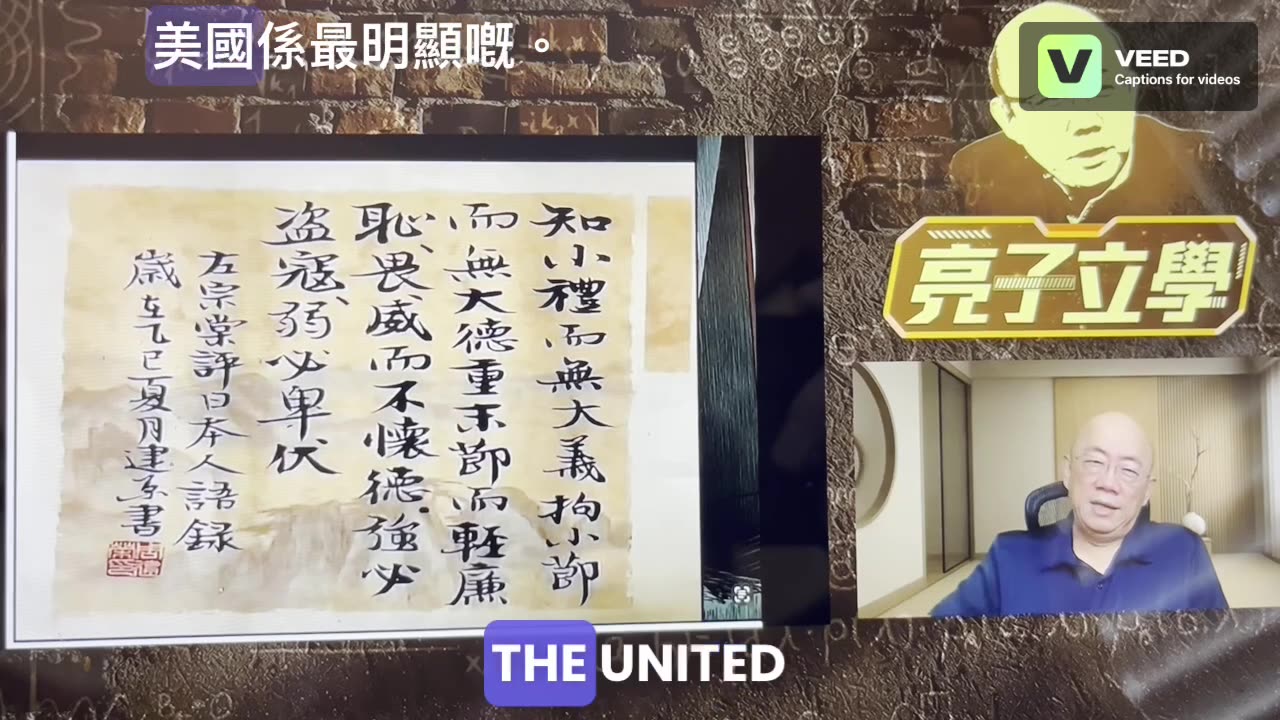
Japan only kowtow to powerful nation
Japan has, throughout its history, often shown fear toward great powers while adopting a hardline stance toward weaker parties. 日本在歷史上曾多次展現出對強權的畏懼與對弱方的強硬態度:
例如,美國在二戰末期投下原子彈,以及蘇聯在戰後將關東軍俘虜送往西伯利亞勞動改造,這些事件都深刻影響了日本的戰後國家心理.
相較之下,中國一向自我定位為禮儀之邦,倡導以合作與和平方式處理國際關係,包括「人類命運共同體」的理念。然而,部分日本政界與輿論往往將中國的克制視為軟弱,忽略了善意背後的原則與力量.
在當前複雜的國際局勢中,如果和平與克制被誤讀為可被任意挑釁,反而可能導致區域局勢緊張。因此,中國在堅持和平理念的同時,也需要展現讓外界真正理解的決心、底線與實力,以免被誤判.
For example, the United States’ dropping of atomic bombs at the end of World War II and the Soviet Union’s postwar transfer of captured Kwantung Army soldiers to labor camps in Siberia profoundly shaped Japan’s postwar national psyche.
In contrast, China has long positioned itself as a nation of propriety, advocating cooperation and peaceful approaches to international relations, including the concept of a “community with a shared future for mankind.” However, some sectors of Japanese politics and public opinion often view China’s restraint as weakness, overlooking the principles and strength behind this goodwill.
In today’s complex international environment, if peace and restraint are misinterpreted as an invitation for provocation, regional tensions may worsen. Therefore, while China remains committed to peaceful principles, it also needs to demonstrate clear resolve, firm boundaries, and real capability so that it is not misjudged by others.
-
 19:14
19:14
MetatronCore
18 hours agoHow Propaganda works on your Brain
1.12K1 -
 LIVE
LIVE
Barry Cunningham
3 hours agoLIVE BREAKING NEWS: Erika Kirk and TPUSA Have Had It With Candace Owens | Where Are The Children?
2,270 watching -
 15:30
15:30
IsaacButterfield
17 hours ago $0.22 earnedViolent Immigrant Crime Is Exploding in Australia
3.38K12 -
 8:37
8:37
DBoss_Firearms
8 hours agoHow hard is it to shoot with a G-Flex Trigger?
1.5K -
 1:05:17
BonginoReport
4 hours agoWhite House Claps Back At Sabrina Carpenter - Nightly Scroll w/ Hayley Caronia (Ep.189)
108K26 -
 1:06:50
TheCrucible
5 hours agoThe Extravaganza! EP: 69 (12/03/25)
77.9K18 -
 1:08:49
Kim Iversen
5 hours agoEpstein Island: What's With The Creepy Medical Chair and Masks?
41.2K38 -
 23:54
23:54
Jasmin Laine
6 hours agoCarney’s WORST Day EVER—BOOED, Fact-Checked, and Forced to FLEE the House
34.7K19 -
 1:59:47
Redacted News
5 hours agoDeep State Coup Coming for Trump? New JFK Files Released and NATO Preparing Attack on Russia
174K120 -
 7:31:43
Dr Disrespect
11 hours ago🔴LIVE - DR DISRESPECT'S TRIPLE THREAT CHALLENGE - ARC RAIDERS • BF6 • FORTNITE
108K8