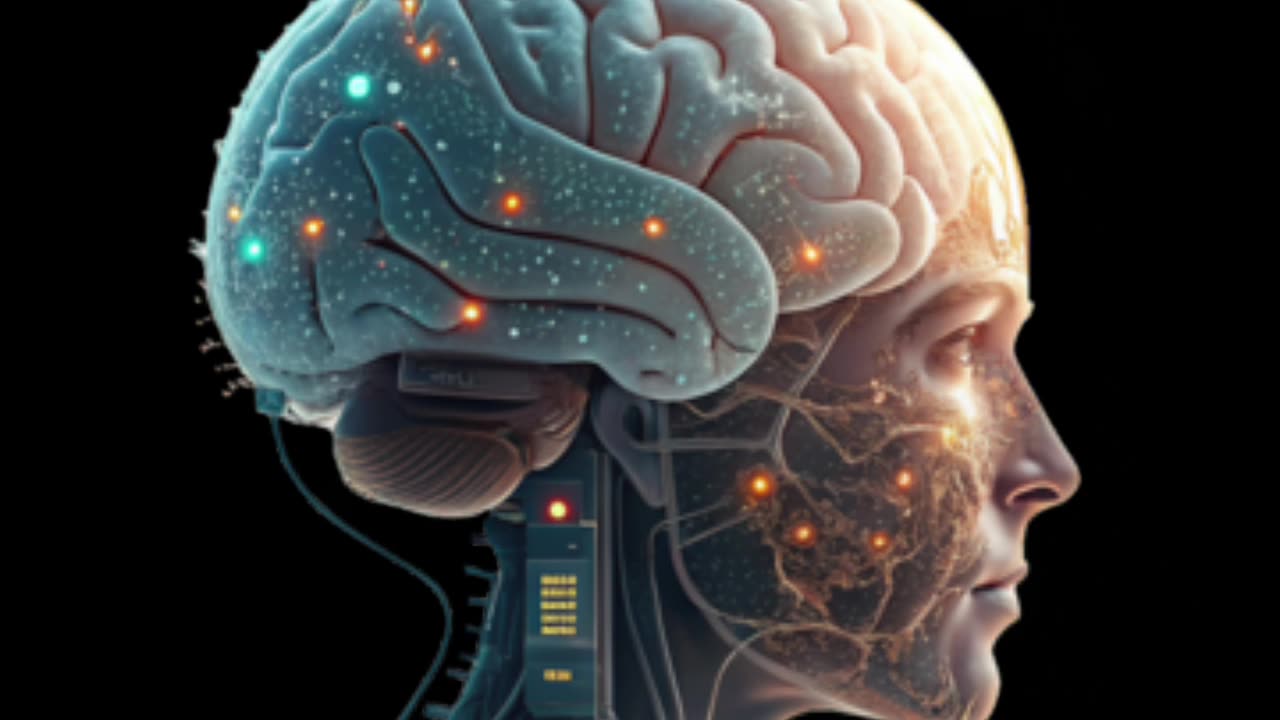
Could You Live for 20,000 Years? The Science Behind Immortality
#LongevityScience #ImmortalityExplained #FutureOfAging #LiveForever #Biohacking #HumanEvolution #ScienceSpeculation #MindBlownMoments #JoaoPedroDeMagalhaes #SciFiMeetsReality
Human longevity has long been a subject of fascination, but a recent wave of scientific speculation has pushed the conversation from incremental life-extension to near-mythic timescales. Joäo Pedro de Magalhães, a molecular biogerontologist, has suggested that if aging could be eliminated at the cellular level through technologies not yet invented, humans might someday live for thousands, even tens of thousands, of years. That headline-grabbing number (20,000 years) is not presented as an imminent prediction but as a way to explore the theoretical outer limits of biology and what extreme interventions might accomplish.
The basic logic behind the claim is rooted in comparing species that already show remarkable longevity. Some animals, like bowhead whales and naked mole rats, live far longer than close relatives, and researchers attribute those differences to molecular “tricks” such as enhanced DNA repair and cancer-suppression pathways. By studying those mechanisms, scientists hope to identify genetic or cellular programs that, if reprogrammed in humans, could drastically change aging trajectories. In essence, the argument is that biology contains programmable elements whose modification might transform both lifespan and healthspan.
Proposed technical routes to such extreme longevity center on repairing or reprogramming cells and DNA. Ideas include enhanced DNA-repair systems, tweaking genes such as those in cancer-suppression pathways, and cellular reprogramming that resets age-related changes, approaches analogous to rewriting faulty software rather than just patching symptoms. While some compounds (for example, rapamycin in animal studies) modestly extend lifespan, the sort of wholesale elimination of aging envisioned would require breakthroughs far beyond current therapeutics and a deep mastery of cellular programming and genome maintenance.
The societal, ethical, and ecological implications of vastly prolonged human lives would be profound. Extended lifespans raise questions about resource distribution, intergenerational equity, cultural stagnation versus continuity, and how institutions (from retirement systems to politics) would adapt when individuals might live for centuries or millennia. Even if the biological obstacles were solved, societies would still face hard choices about access, fairness, and whether extreme longevity is a desirable or sustainable goal for humankind.
Whether or not humans ever reach anything close to 20,000 years, the debate is valuable: it forces researchers and the public to clarify what we mean by aging, health, and the goals of medicine. Studying long-lived species and the molecular hallmarks of aging is already revealing interventions that could improve healthspan in the near term, and framing bold scenarios helps set long-range research agendas and ethical guardrails. The 20,000-year figure functions less as a forecast and more as a provocative thought experiment that sharpens questions about biology, technology, and the kind of future we want to build.
-
 LIVE
LIVE
FreshandFit
9 hours agoAfter Hours w/ Milo & Girls
5,327 watching -
 LIVE
LIVE
Badlands Media
8 hours agoDevolution Power Hour Ep. 412 - Monroe Doctrine, Durham Rug, Income Taxes, and MORE!
7,942 watching -
 LIVE
LIVE
Inverted World Live
2 hours agoNASA Hints at Life Beyond Earth | Ep. 150
2,619 watching -
 19:01
19:01
Stephen Gardner
7 hours agoAlex Jones: ‘Trump Is About to Do Something MASSIVE!'
6.58K75 -
 LIVE
LIVE
Drew Hernandez
20 hours agoCANDACE OWENS ACCEPTS TPUSA INVITATION TO DISCUSS SUSPICION BEHIND CHARLIE KIRK ASSASSINATION?!
986 watching -
 2:52:10
TimcastIRL
3 hours agoDrunk Raccoon Becomes Top US Story After Getting Plastered, Passing Out In Bathroom | Timcast IRL
177K60 -
 LIVE
LIVE
SpartakusLIVE
6 hours agoRule #1 - The BEST Loot is ALWAYS in the OTHER GUY'S BAG
469 watching -
 LIVE
LIVE
ThatStarWarsGirl
3 hours agoTSWG LIVE: CHRISTMAS IS COMING! Stargate's BACK & DC is Doomed?!
196 watching -
 LIVE
LIVE
I_Came_With_Fire_Podcast
10 hours agoDid Pete Hegseth Commit WAR CRIMES | No more INCOME TAX | More Fraud in Minnesota W/ Mike Caldarisie
201 watching -
 LIVE
LIVE
Adam Does Movies
5 hours agoTalking Movies + Ask Me Anything - LIVE
91 watching