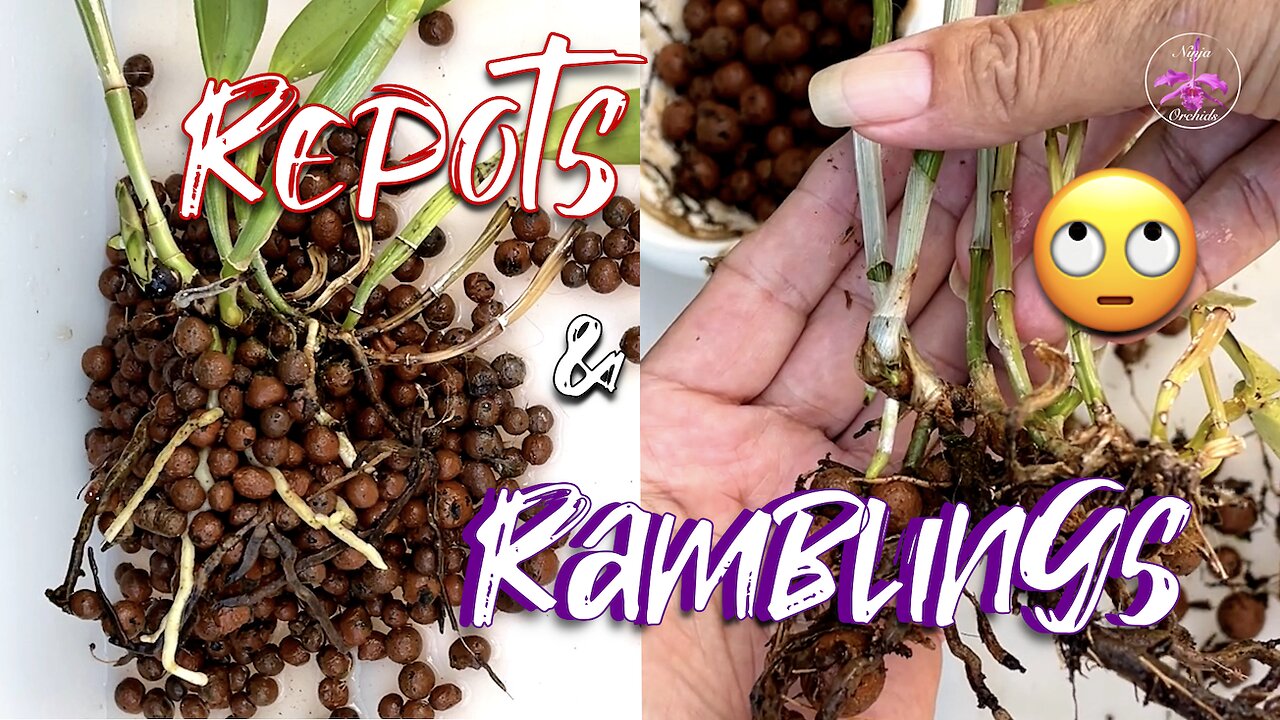
What is Phyllosticta Fungus? Symptoms Progression (Timestamp👇🏼) Life Update #ninjaorchids
#orchid #fungus #repotting
Phyllosticta fungus!? For any orchid grower, encountering a fungal disease is a frustrating reality. One of the most common and persistent culprits is the Phyllosticta fungus, which causes a condition known as Phyllosticta leaf spot or "Thai fungus." Understanding this disease is key to preventing its spread and protecting your valuable orchid collection.
What is Phyllosticta Leaf Spot?
Phyllosticta capitalensis is a widespread fungal pathogen that creates unsightly blemishes on orchid leaves. It is often referred to as a cosmetic issue because it is rarely fatal to the plant, but if left unchecked, it can weaken the orchid and make it more susceptible to other diseases. This fungus is highly contagious and spreads easily from plant to plant.
Symptoms to Watch For
Recognizing the signs of a Phyllosticta infection early is critical for effective treatment. Symptoms can take several weeks to appear, but they are distinctive:
Initial Stage: Small, pinpoint-sized spots, which may be yellow, purplish, or black, appear on the leaves. On some orchids, like those in the Vanda alliance, these spots may be elongated and follow the leaf veins.
Progression: The spots gradually enlarge and often develop a characteristic "eyespot" appearance. This consists of a black or dark-brown perimeter surrounding a lighter, tan or grayish center of dead tissue. In the very center, you may see a tiny, black dot—this is the fruiting body of the fungus, which releases spores.
Severe Cases: The spots can coalesce, covering large areas of the leaf. In the most advanced stages, the leaf may turn yellow, wilt, and eventually drop off. On some hosts like Dendrobium and Vanda, a black, weblike pattern may appear on the leaf surface. #orchids #orchidee #orchideen #orchideenpflege #orquideas #repot #care #guide #tutorial #beginners #tips #tricks #tipsandtricks
🌸
Music: Seagull - Telecasted
-
 LIVE
LIVE
Redacted News
1 hour agoDeep State Coup Coming for Trump? New JFK Files Released and NATO Preparing Attack on Russia
8,731 watching -
 LIVE
LIVE
Dr Disrespect
6 hours ago🔴LIVE - DR DISRESPECT'S TRIPLE THREAT CHALLENGE - ARC RAIDERS • BF6 • FORTNITE
1,260 watching -
 1:00:57
Russell Brand
4 hours agoThe Vaccine Ideology Unmasked | Dr Peter McCullough - SF658
78.1K33 -
 1:11:25
vivafrei
2 hours agoKash Patel's Jacket-Gate! Pfizer Whistleblower Qui Tam on Appeal! Meanwhile in Canada! AND MORE!
25.9K21 -
 16:30
16:30
Clintonjaws
6 hours ago $0.49 earnedEntire Room Speechless as Pete Hegseth Snaps Destroying All Media To Their Face
2.21K6 -
 22:12
22:12
Dad Saves America
2 hours agoHow Greek Philosophers Created Western Civilization: The Death of Debate - Pt 2
14 -
 LIVE
LIVE
LFA TV
19 hours agoLIVE & BREAKING NEWS! | WEDNESDAY 12/03/25
1,336 watching -
 1:05:46
The Quartering
4 hours agoNew Epstein Video Drops! The US Economy Has SCARY Numbers Released & More
102K21 -
 1:07:11
The White House
6 hours agoPresident Trump Makes an Announcement, Dec. 3, 2025
14.5K15 -
 LIVE
LIVE
Film Threat
22 hours agoINSIDE THE DECLINE OF DISNEY! A WARNING FROM THE PAST | Hollywood on the Rocks
158 watching