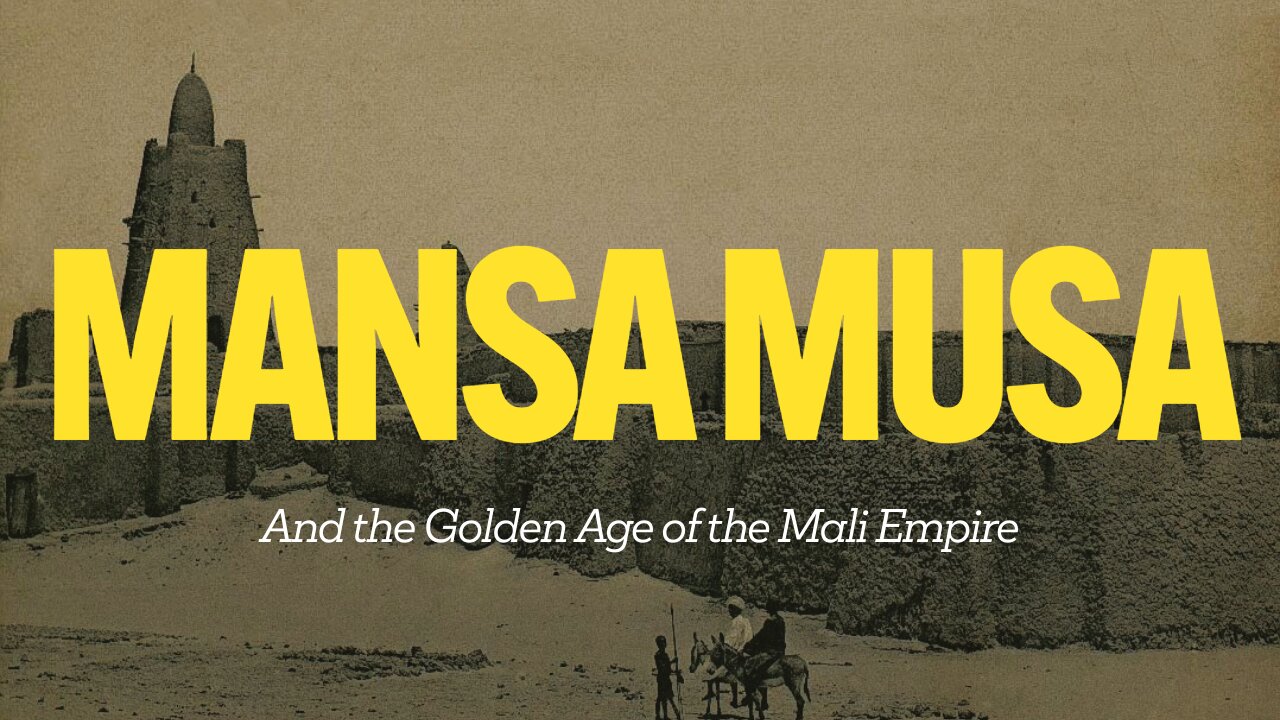
Mansa Musa and the Golden Age of the Mali Empire
Mansa Musa is often regarded as one of the wealthiest individuals in history. His reign, from 1312 to 1337, marked the zenith of Mali's power and prosperity, a period often referred to as its golden age.
The Mali Empire was strategically located in West Africa, encompassing parts of modern-day Mali, Senegal, Guinea, and Mauritania. Its wealth stemmed largely from its control over the trans-Saharan trade routes, which facilitated the exchange of gold, salt, ivory, and slaves.
By the time Mansa Musa ascended to the throne, Mali had already established itself as a powerful empire, but Musa’s reign elevated it to unprecedented heights.
Musa standardized trade practices, ensuring security along routes and imposing taxes that enriched the royal treasury. His economic policies fostered urban growth, with Timbuktu evolving into a cosmopolitan center of commerce and culture.
Mansa Musa's fame primarily rests on his legendary pilgrimage to Mecca in 1324-1325. Musa traveled with a caravan of 60,000 people, including soldiers, officials, merchants, and 12,000 enslaved persons. They carried large quantities of gold, which Mansa Musa generously donated to the poor and used to trade for luxurious goods.
In Cairo, he distributed so much gold that it caused inflation, devaluing the currency and disrupting the local economy for years to come. Recognizing his mistake, Musa tried to mitigate the damage on his return journey by borrowing gold from Egyptian lenders at high interest rates, but this only led to more economic problems.
Beyond its display of wealth, the pilgrimage strengthened Mali’s ties with the Islamic world and attracted scholars, architects, and traders to Timbuktu, which soon became a leading center of learning and culture in Africa. The Andalusian architect Abu Ishaq al-Sahili, whom Musa met during his pilgrimage, designed the Djinguereber Mosque in Timbuktu.
The University of Sankore also flourished under his patronage, becoming a renowned center for the study of Islamic law, theology, literature, and the sciences.
Despite his achievements, Musa’s reign was not without challenges. His lavish spending during the pilgrimage strained Mali’s economy upon his return.
After his death in 1337, the Mali Empire gradually declined due to internal strife, external pressures from neighboring powers like the Songhai, and shifts in trade routes. By the late 15th century, the once-mighty Mali Empire had lost much of its influence.
Despite its decline, the golden age of Mali under Mansa Musa remains a remarkable period in African history. Today, Musa is remembered not just as a rich king but as a ruler who bridged continents, fostered learning, and built an empire that shone as brightly as the gold it produced.
-
 11:36
11:36
tactical_rifleman
11 days agoNever Run Out Of Ammo | Magazine Pez Dispenser | Tactical Rifleman
367 -
 26:11
26:11
Upper Echelon Gamers
14 hours ago $0.06 earned"Her" Wasn't Fiction - Its Real
213 -
 3:11
3:11
Canadian Crooner
2 years agoPat Coolen | It's Beginning to Look A Lot Like Christmas
50.6K17 -
 5:22
5:22
DropItLikeItsScott
1 day agoThe GLOCK Killer? Shadow Systems XR920 / Would You Choose It?
1014 -
 LIVE
LIVE
BEK TV
22 hours agoTrent Loos in the Morning - 12/01/2025
269 watching -
 LIVE
LIVE
The Bubba Army
21 hours agoDIDDY'S NEW DOC EXPOSED! - Bubba the Love Sponge® Show | 12/02/25
2,613 watching -
 40:10
40:10
ZeeeMedia
12 hours agoFDA Memo: "Covid-19 Vaccines Have Killed American Children" | Daily Pulse Ep 153
5.67K26 -
 LIVE
LIVE
Pickleball Now
4 hours agoLive: IPBL 2025 Day 2 | High-Intensity Matchups Continue in the Indian Pickleball League
237 watching -
 15:11
15:11
itsSeanDaniel
1 day agoAngry Liberal Defends ILLEGALS, Then Gets CALLED OUT For It
40.1K24 -
 10:32
10:32
Actual Justice Warrior
2 days agoColorado School FORCES Girl Into Bed With Trans
16.4K25