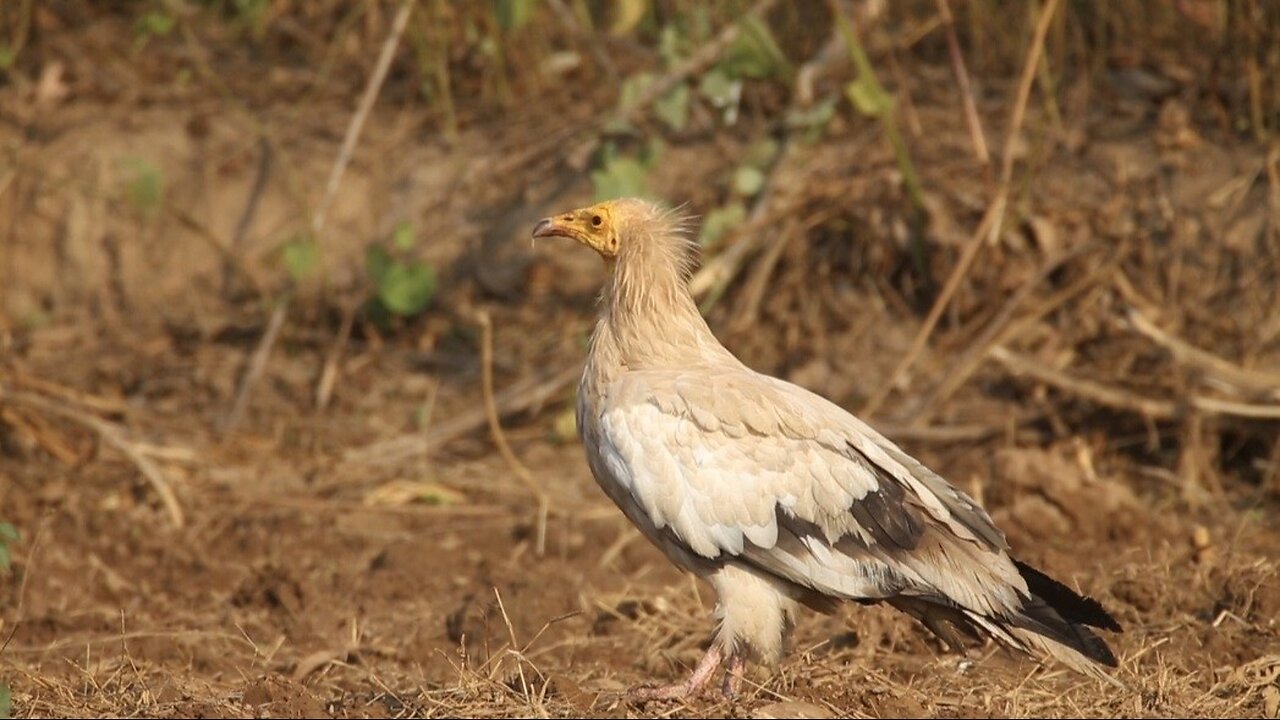
"Majestic Egyptian Vulture: Nature's Cleanup Crew in Action"
The Egyptian vulture (Neophron percnopterus) is a striking bird of prey known for its distinctive appearance and vital role in the ecosystem. Here’s an overview of its key characteristics and importance:
Physical Features:
Size: Medium-sized vulture, with a wingspan of about 1.65–1.7 meters (5.4–5.6 feet).
Plumage: Adults have white plumage with contrasting black flight feathers, a sharp contrast when they soar in the sky.
Head: Its small, bare, yellowish face is unmistakable, with piercing dark eyes.
Beak: The slender, hooked beak is perfectly adapted to scavenging.
Tail: A wedge-shaped tail, adding to its aerodynamic form in flight.
Behavior and Feeding:
Diet: Egyptian vultures are scavengers, primarily feeding on carrion (dead animals), which helps prevent the spread of disease by cleaning up decaying matter in their environment.
Tools: Uniquely among birds, Egyptian vultures are known for using tools. They use rocks to break open large eggs, such as those of ostriches.
Role in the Ecosystem: They play a crucial role in maintaining environmental health by consuming waste and reducing the presence of harmful bacteria and pathogens in decaying carcasses.
Habitat and Range:
Geographic Distribution: These vultures are widespread, found across southern Europe, North Africa, and parts of the Middle East and Central Asia. They prefer open landscapes like savannas, deserts, and semi-arid areas.
Migration: Many populations of Egyptian vultures are migratory, traveling between breeding and wintering grounds.
Conservation Status:
Threats: The Egyptian vulture is currently classified as "Endangered" by the IUCN. Major threats include habitat destruction, poisoning (often due to ingesting lead or toxins from carcasses), and collisions with wind turbines or power lines.
Conservation Efforts: Conservationists are working to protect this species through breeding programs, anti-poisoning campaigns, and habitat preservation.
Cultural Significance:
Symbolism: In ancient Egypt, the vulture was a symbol of protection and motherhood, often associated with the goddess Nekhbet. Egyptian vultures were revered for their role as nature’s cleaners, safeguarding the environment.
This species is a fascinating example of how nature's less glamorous creatures play a vital part in maintaining ecosystem balance, and their majestic presence in the wild highlights the interconnectedness of all life.
-
 1:11:14
DeVory Darkins
5 hours agoJeffries SCRAMBLES After National Gas Prices hit record low amid AFFORDABILITY CRISIS
202K90 -
 56:44
56:44
The Quartering
5 hours agoSpam Calls Are Out Of Control, Candace Hits Rock Bottom & More Poison Food
48K87 -
 47:44
47:44
Tucker Carlson
5 hours agoRupert Lowe Warns of the Globalist Agenda Destroying the West and the Revolution Soon to Come
75.8K126 -
 1:16:03
Sean Unpaved
6 hours agoWill Miami Be "ODD MAN OUT" Of The College Football Playoff? | UNPAVED
30.9K1 -
 58:31
58:31
Jeff Ahern
3 hours ago $1.25 earnedFriday Freak out with Jeff Ahern
19.8K6 -
 27:03
27:03
The Kevin Trudeau Show Limitless
2 days agoThey're Not Hiding Aliens. They're Hiding This.
41.6K62 -
 2:04:26
The Culture War with Tim Pool
7 hours agoWoke Has INFECTED Goth, Punk, & Metal, MAGA Must Save the Art | The Culture War Podcast
141K64 -
 1:12:25
Steven Crowder
7 hours agoCNN Declares J6 Pipe Bomber White & Nick Fuentes Interview Reaction
339K306 -

Dr Disrespect
7 hours ago🔴LIVE - DR DISRESPECT - ARC RAIDERS - FREE LOADOUT EXPERT
50.1K6 -
 1:08:35
Rebel News
5 hours agoPublic Safety reviewing gun grab, Migrant offenders getting lighter sentences | Rebel Roundtable
30.3K14