How Fieldwork in the Amazon Is Supporting NASA Climate Science – NISAR Mission Travelogue
#nasa #amazon #fieldwork #climate #climatescience #science #NISAR #travelogue #nasamission #nasaclimatescience #earthexploration #solar #solarsystem #moon #nisarmission #satellite #satellitemission #spacemission #earth #wolfchamp
How Fieldwork in the Amazon Is Supporting NASA Climate Science – NISAR Mission Travelogue
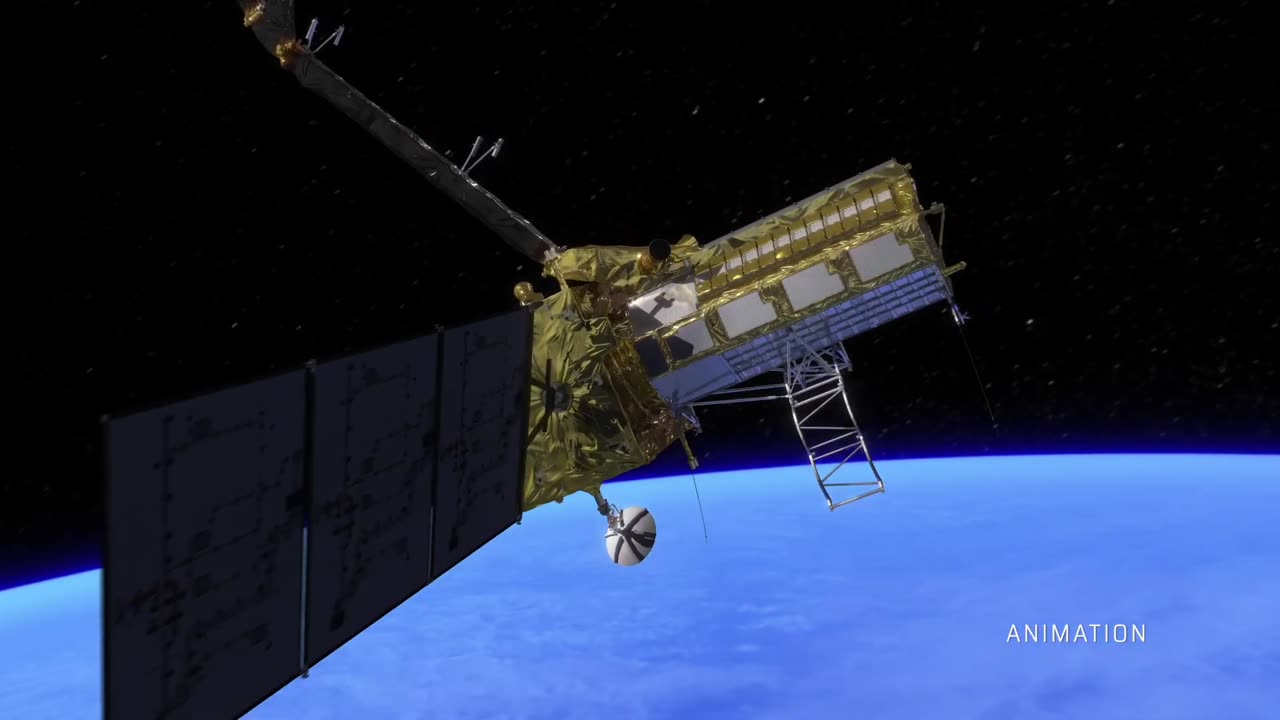
A joint U.S.-India satellite mission called NISAR – the NASA-ISRO Synthetic Aperture Radar (NISAR) mission – will soon set out with new tools to better understand climate change. As a way to validate the satellite’s global, space-based observations, NASA scientists went to the Peruvian Amazon to install a network of sensors that will help calibrate measurements from the NISAR spacecraft.
Why the Amazon? In tropical wetlands, changes in seasonal flooding cycles can lead to increased production of greenhouse gases like methane and carbon dioxide.
A collaboration between NASA and ISRO (Indian Space Research Organisation), NISAR will use a sophisticated radar system to track wetland inundation and other changes to Earth’s surface. The satellite is expected to launch in early 2024 from ISRO’s Satish Dhawan Space Centre in Sriharikota, India.
For more information on the NISAR mission, visit: https://nisar.jpl.nasa.gov/.
Credit: Video production and NISAR animations: NASA/JPL-Caltech; Methane animations: NASA’s Scientific Visualization Studio; Amazon field work footage courtesy of A. Pruna
How Fieldwork in the Amazon Is Supporting NASA Climate Science – NISAR Mission Travelogue
A joint U.S.-India satellite mission called NISAR – the NASA-ISRO Synthetic Aperture Radar (NISAR) mission – will soon set out with new tools to better understand climate change. As a way to validate the satellite’s global, space-based observations, NASA scientists went to the Peruvian Amazon to install a network of sensors that will help calibrate measurements from the NISAR spacecraft.
Why the Amazon? In tropical wetlands, changes in seasonal flooding cycles can lead to increased production of greenhouse gases like methane and carbon dioxide.
A collaboration between NASA and ISRO (Indian Space Research Organisation), NISAR will use a sophisticated radar system to track wetland inundation and other changes to Earth’s surface. The satellite is expected to launch in early 2024 from ISRO’s Satish Dhawan Space Centre in Sriharikota, India.
For more information on the NISAR mission, visit: https://nisar.jpl.nasa.gov/.
Credit: Video production and NISAR animations: NASA/JPL-Caltech; Methane animations: NASA’s Scientific Visualization Studio; Amazon field work footage courtesy of A. Pruna
How Fieldwork in the Amazon Is Supporting NASA Climate Science – NISAR Mission Travelogue
A joint U.S.-India satellite mission called NISAR – the NASA-ISRO Synthetic Aperture Radar (NISAR) mission – will soon set out with new tools to better understand climate change. As a way to validate the satellite’s global, space-based observations, NASA scientists went to the Peruvian Amazon to install a network of sensors that will help calibrate measurements from the NISAR spacecraft.
Why the Amazon? In tropical wetlands, changes in seasonal flooding cycles can lead to increased production of greenhouse gases like methane and carbon dioxide.
A collaboration between NASA and ISRO (Indian Space Research Organisation), NISAR will use a sophisticated radar system to track wetland inundation and other changes to Earth’s surface. The satellite is expected to launch in early 2024 from ISRO’s Satish Dhawan Space Centre in Sriharikota, India.
For more information on the NISAR mission, visit: https://nisar.jpl.nasa.gov/.
Credit: Video production and NISAR animations: NASA/JPL-Caltech; Methane animations: NASA’s Scientific Visualization Studio; Amazon field work footage courtesy of A. Pruna
How Fieldwork in the Amazon Is Supporting NASA Climate Science – NISAR Mission Travelogue
A joint U.S.-India satellite mission called NISAR – the NASA-ISRO Synthetic Aperture Radar (NISAR) mission – will soon set out with new tools to better understand climate change. As a way to validate the satellite’s global, space-based observations, NASA scientists went to the Peruvian Amazon to install a network of sensors that will help calibrate measurements from the NISAR spacecraft.
Why the Amazon? In tropical wetlands, changes in seasonal flooding cycles can lead to increased production of greenhouse gases like methane and carbon dioxide.
A collaboration between NASA and ISRO (Indian Space Research Organisation), NISAR will use a sophisticated radar system to track wetland inundation and other changes to Earth’s surface. The satellite is expected to launch in early 2024 from ISRO’s Satish Dhawan Space Centre in Sriharikota, India.
For more information on the NISAR mission, visit: https://nisar.jpl.nasa.gov/.
Credit: Video production and NISAR animations: NASA/JPL-Caltech; Methane animations: NASA’s Scientific Visualization Studio; Amazon field work footage courtesy of A. Pruna
How Fieldwork in the Amazon Is Supporting NASA Climate Science – NISAR Mission Travelogue
A joint U.S.-India satellite mission called NISAR – the NASA-ISRO Synthetic Aperture Radar (NISAR) mission – will soon set out with new tools to better understand climate change. As a way to validate the satellite’s global, space-based observations, NASA scientists went to the Peruvian Amazon to install a network of sensors that will help calibrate measurements from the NISAR spacecraft.
Why the Amazon? In tropical wetlands, changes in seasonal flooding cycles can lead to increased production of greenhouse gases like methane and carbon dioxide.
A collaboration between NASA and ISRO (Indian Space Research Organisation), NISAR will use a sophisticated radar system to track wetland inundation and other changes to Earth’s surface. The satellite is expected to launch in early 2024 from ISRO’s Satish Dhawan Space Centre in Sriharikota, India.
For more information on the NISAR mission, visit: https://nisar.jpl.nasa.gov/.
Credit: Video production and NISAR animations: NASA/JPL-Caltech; Methane animations: NASA’s Scientific Visualization Studio; Amazon field work footage courtesy of A. Pruna
-
 UPCOMING
I_Came_With_Fire_Podcast
9 hours agoDid Pete Hegseth Commit WAR CRIMES | No more INCOME TAX | More Fraud in Minnesota W/ Mike Caldarisie
2452 -
 UPCOMING
Adam Does Movies
4 hours agoTalking Movies + Ask Me Anything - LIVE
67 -

TheSaltyCracker
2 hours agoWar Crimes ReeEEStream 12-03-25
36.5K90 -
 1:31:59
Glenn Greenwald
3 hours agoTrump Administration Claims to Save Hundreds of Millions of Lives by Blowing Up Drug Boats; Ethan Klein's Unhinged Vengeance & Lawsuits Against Other YouTubers: With Taylor Lorenz | SYSTEM UPDATE #553
82.3K86 -
 19:14
19:14
MetatronCore
19 hours agoHow Propaganda works on your Brain
1.12K1 -
 LIVE
LIVE
Joker Effect
59 minutes agoWHO IS TYSON HOCKLEY?! What does the IRL streaming space look like? WHY IS EVERYONE SUEING EACHOTHER
291 watching -
 2:48:40
Barry Cunningham
4 hours agoLIVE BREAKING NEWS: Erika Kirk and TPUSA Have Had It With Candace Owens | Where Are The Children?
35.8K42 -
 15:30
15:30
IsaacButterfield
17 hours ago $0.39 earnedViolent Immigrant Crime Is Exploding in Australia
3.38K13 -
 8:37
8:37
DBoss_Firearms
8 hours agoHow hard is it to shoot with a G-Flex Trigger?
1.5K -
 1:05:17
BonginoReport
5 hours agoWhite House Claps Back At Sabrina Carpenter - Nightly Scroll w/ Hayley Caronia (Ep.189)
108K26