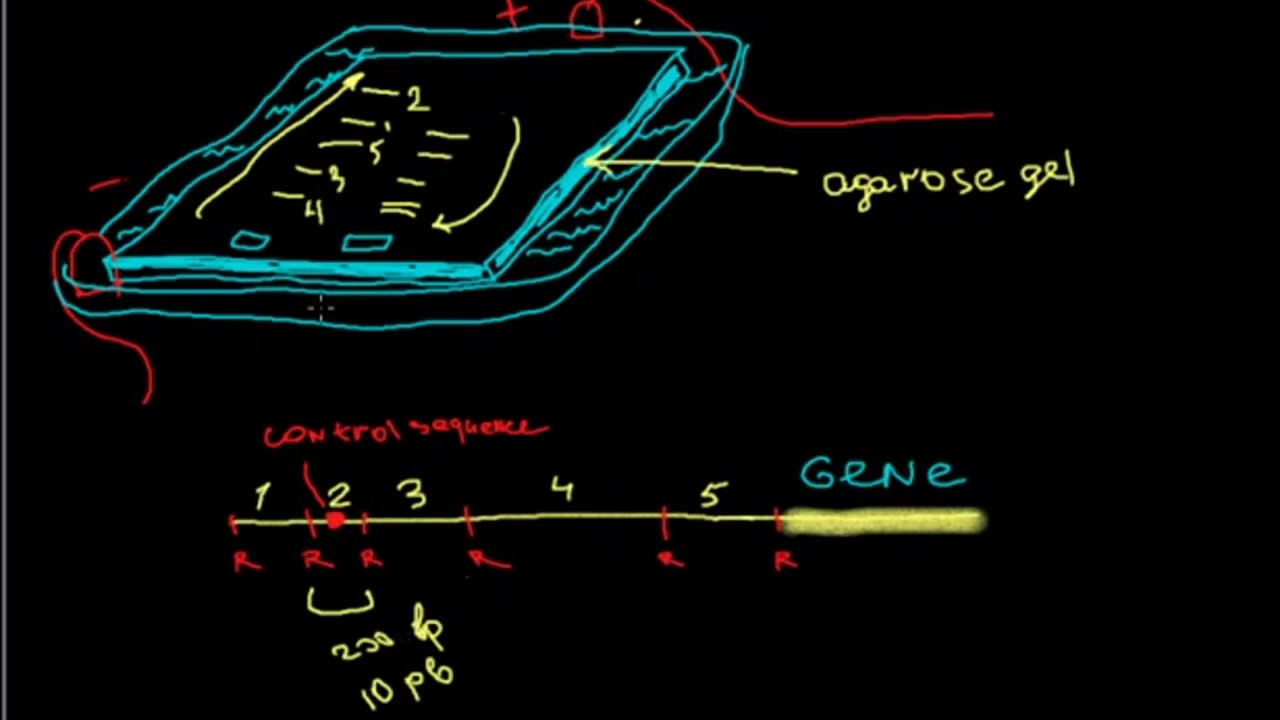
Identifying a protein binding sites on DNA molecule
DNA-binding proteins are proteins that are composed of DNA-binding domains and thus have a specific or general affinity for either single or double stranded DNA. Sequence-specific DNA-binding proteins generally interact with the major groove of B-DNA, because it exposes more functional groups that identify a base pair. However there are some known minor groove DNA-binding ligands such as Netropsin, Distamycin, Hoechst 33258, Pentamidine, DAPI and others.
Examples
DNA-binding proteins include transcription factors which modulate the process of transcription, various polymerases, nucleases which cleave DNA molecules, and histones which are involved in chromosome packaging and transcription in the cell nucleus. DNA-binding proteins can incorporate such domains as the zinc finger, the helix-turn-helix, and the leucine zipper (among many others) that facilitate binding to nucleic acid.
Non-specific DNA-protein interactions
Structural proteins that bind DNA are well-understood examples of non-specific DNA-protein interactions. Within chromosomes, DNA is held in complexes with structural proteins. These proteins organize the DNA into a compact structure called chromatin. In eukaryotes this structure involves DNA binding to a complex of small basic proteins called histones, while in prokaryotes multiple types of proteins are involved. The histones form a disk-shaped complex called a nucleosome, which contains two complete turns of double-stranded DNA wrapped around its surface. These non-specific interactions are formed through basic residues in the histones making ionic bonds to the acidic sugar-phosphate backbone of the DNA, and are therefore largely independent of the base sequence. Chemical modifications of these basic amino acid residues include methylation, phosphorylation and acetylation. These chemical changes alter the strength of the interaction between the DNA and the histones, making the DNA more or less accessible to transcription factors and changing the rate of transcription. Other non-specific DNA-binding proteins in chromatin include the high-mobility group proteins, which bind to bent or distorted DNA. These proteins are important in bending arrays of nucleosomes and arranging them into the larger structures that make up chromosomes.
DNA-binding proteins that specifically bind single-stranded DNA
A distinct group of DNA-binding proteins are the DNA-binding proteins that specifically bind single-stranded DNA. In humans, replication protein A is the best-understood member of this family and is used in processes where the double helix is separated, including DNA replication, recombination and DNA repair. These binding proteins seem to stabilize single-stranded DNA and protect it from forming stem-loops or being degraded by nucleases.
-
 LIVE
LIVE
The Bubba Army
22 hours agoWill Michael Jordan TAKE DOWN NASCAR - Bubba the Love Sponge® Show | 12/05/25
1,311 watching -
 35:55
35:55
ZeeeMedia
15 hours agoPfizer mRNA in Over 88% of Human Placentas, Sperm & Blood | Daily Pulse Ep 156
19.6K106 -
 LIVE
LIVE
Pickleball Now
5 hours agoLive: IPBL 2025 Day 5 | Final Day of League Stage Set for Explosive Showdowns
243 watching -
 9:03
9:03
MattMorseTV
18 hours ago $20.85 earnedIlhan Omar just got BAD NEWS.
47.1K96 -
 2:02:41
Side Scrollers Podcast
22 hours agoMetroid Prime 4 ROASTED + Roblox BANNED for LGBT Propaganda + The “R-Word” + More | Side Scrollers
148K15 -
 16:38
16:38
Nikko Ortiz
16 hours agoVeteran Tactically Acquires Everything…
31.6K1 -
 20:19
20:19
MetatronHistory
2 days agoThe Mystery of Catacombs of Paris REVEALED
22.1K3 -
 21:57
21:57
GritsGG
20 hours agoBO7 Warzone Patch Notes! My Thoughts! (Most Wins in 13,000+)
25.7K -
 2:28:08
PandaSub2000
14 hours agoMyst (Part 1) | MIDNIGHT ADVENTURE CLUB (Edited Replay)
19.4K -
 1:12:43
TruthStream with Joe and Scott
5 days agoJason Van Blerk from Human Garage: Reset your life with Fascial Maneuvers,28 day reset, Healing, Spiritual Journey, Censorship, AI: Live 12/3 #520
31.7K4