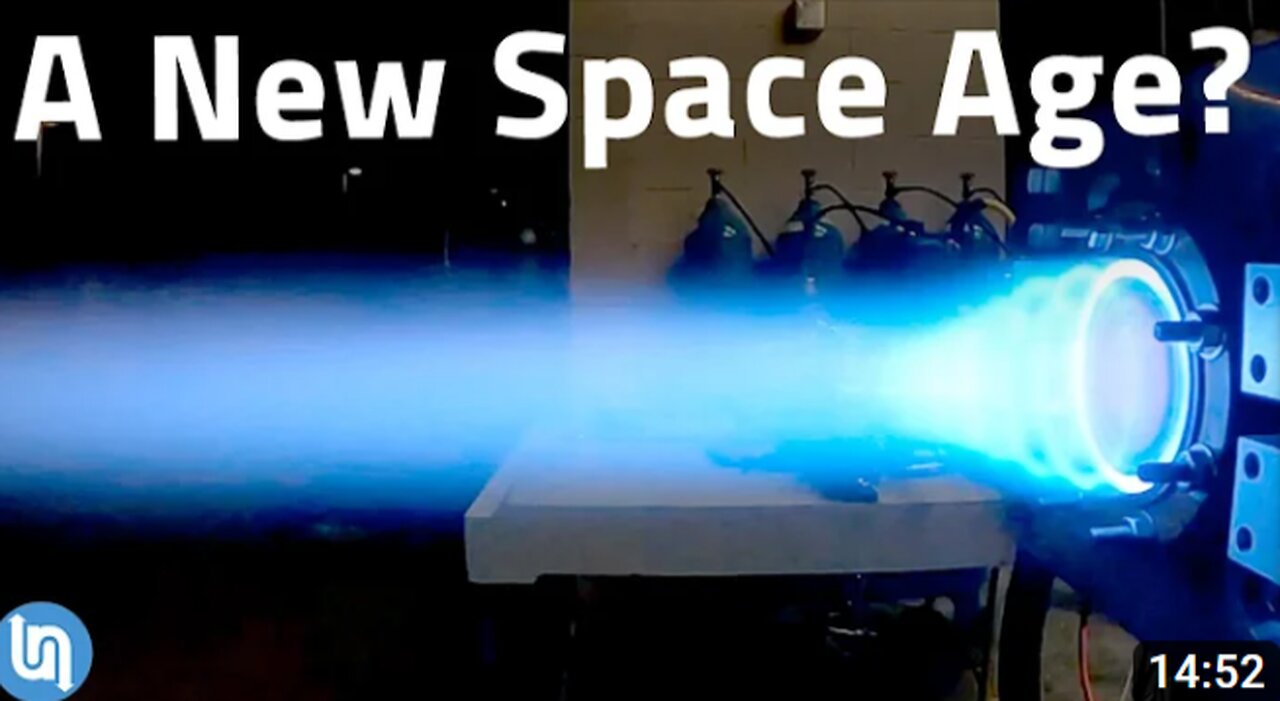
Why NASA’s New 3D Printed Rocket Engine Matters
NASA's New 3D Printed Rocket Engine represents a significant milestone in space exploration technology and holds profound implications for the future of space travel. This groundbreaking innovation showcases the convergence of cutting-edge 3D printing techniques and aerospace engineering, revolutionizing the way we conceive, design, and manufacture rocket engines.
Traditionally, rocket engines are constructed through labor-intensive and costly methods that involve intricate machining and assembly of numerous components. NASA's adoption of 3D printing, also known as additive manufacturing, changes this paradigm entirely. By utilizing advanced materials and precision printing techniques, they have created a rocket engine that is not only more cost-effective but also lighter and more efficient.
The importance of this achievement can be understood through several key aspects:
Cost-Efficiency: Traditional manufacturing of rocket engines is not only time-consuming but also extremely expensive. 3D printing significantly reduces the cost of production, making space exploration more financially viable for both governmental agencies like NASA and commercial space ventures.
Lightweight Design: The 3D printing process allows for the creation of complex, lightweight structures that are not achievable through traditional methods. Lighter rocket engines translate to reduced fuel consumption, enabling longer missions, larger payloads, and greater efficiency.
Rapid Prototyping: 3D printing facilitates rapid prototyping and iterative design processes. NASA can quickly test and refine engine designs, accelerating the pace of innovation in rocket propulsion technology.
Customization: Additive manufacturing allows for the customization of rocket engines to suit specific mission requirements. NASA can design engines tailored for various missions, from crewed lunar landings to interplanetary exploration.
Sustainability: 3D printing reduces material waste and energy consumption in comparison to traditional manufacturing methods, aligning with NASA's commitment to sustainability and environmental responsibility.
Inspiration for Future Innovations: NASA's pioneering work in 3D printing for rocket engines serves as an inspiration for the broader aerospace industry. It encourages the development of new materials and techniques that could be applied to other aspects of space exploration, such as spacecraft components and habitats.
In summary, NASA's New 3D Printed Rocket Engine represents a significant leap forward in space technology, bringing with it the promise of more accessible and efficient space exploration. By reducing costs, improving performance, and enabling rapid innovation, this development holds the potential to unlock new frontiers in our quest to explore the cosmos.
-
 LIVE
LIVE
GritsGG
11 hours agoBO7 Warzone Is Here! Win Streaking! New Leaderboard?
46 watching -
 LIVE
LIVE
VapinGamers
2 hours ago $0.07 earnedDestiny 2 - Star Wars Renegade Lightsabers Oh My! - !rumbot !music
78 watching -
 2:13:17
TheSaltyCracker
3 hours agoPipe Bomb Bull Sh*t ReeEEStream 12-05-25
70K159 -
 LIVE
LIVE
DannyStreams
2 hours agoBF the WZ
15 watching -
 LIVE
LIVE
Finfante
2 hours ago*Interactive Stream* Something is WRONG. (Dane Jonson). | LIVE INDIE HORROR NIGHT
31 watching -
 21:51
21:51
DBoss_Firearms
9 hours agoHeaded to The Gathering with some friends!
19 -
 58:48
58:48
Flyover Conservatives
22 hours agoUnmasking Antifa: Inside the Red–Green Revolution Aimed at the U.S. Constitution - Kyle Shideler | FOC Show
9.01K26 -
 55:26
55:26
Sarah Westall
3 hours agoJobs Losses Hit the Millions, Real Estate Nightmare, Repo Markets, & more w/ Andy Schectman
14.9K6 -
 1:32:12
Glenn Greenwald
8 hours agoGlenn Answers Your Questions on an Un-American Candidate in TX, Escalating War with Venezuela, Trump's Loyalty to Miriam Adelson, and More | SYSTEM UPDATE #554
101K54 -
 3:49
3:49
Gamazda
6 hours ago $0.06 earnedABBA - Dancing Queen (Piano)
22K15