They Called Her Jamila
Let’s go back to the Neolithic period, which spanned from around 10,000 BCE to 3,000 BCE, and was a time of significant change and innovation in human history. It was when early people transitioned from a nomadic lifestyle to a more sedentary way of life. From frequently moving in search of food and resources people began to settle down in one place and developed agricultural and trade systems.
"Jamila" or "The Beautiful One" is the name archaeologists gave the remains of a nine-year-old girl who lived thousands of years ago. Her grave was discovered in 2018, buried in the Neolithic village of Ba'ja, an ancient settlement in modern-day Jordan. Built around 5500 BCE, Ba'ja is considered one of the oldest ancient villages in the world. Located in a remote corner of the Black Desert, a region in the eastern Jordan Valley, Ba'ja is known for its well-preserved mudbrick architecture and ancient artifacts such as graves, ancient pots, and tools. These archaeological discoveries help shed light on the daily life and culture of the people who lived there.
Ba'ja was likely inhabited by a semi-nomadic group who relied on agriculture and animal husbandry for their livelihood. It is not clear exactly why its people made the transition from a nomadic to a sedentary lifestyle. One possible factor that contributed to the shift to a sedentary lifestyle may have been the availability of fertile soil, water, and other resources. There was also the development of new technologies, such as irrigation systems and tools for agriculture, and changes in social and cultural practices, such as the emergence of more complex methods of trade and exchange.
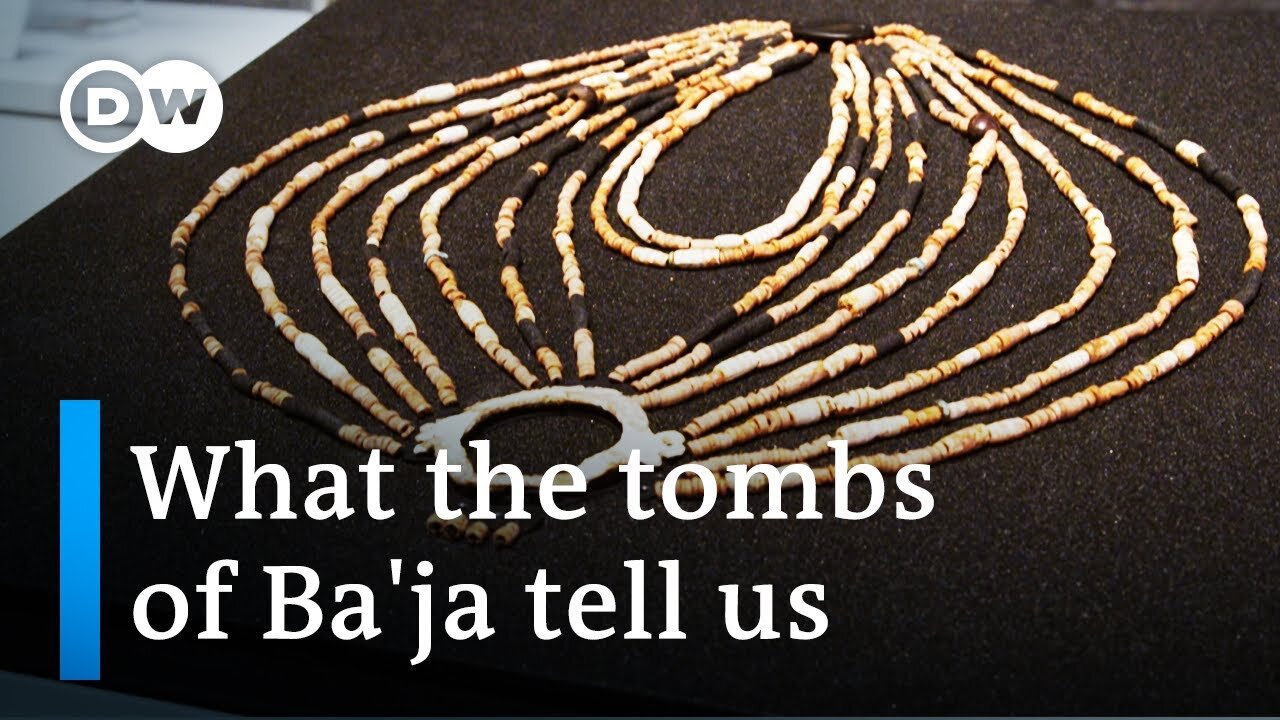
What makes Jamila's grave special is that she was buried lovingly and with care. Around her neck, archaeologists also found a stunning 2,500-bead necklace, now considered one of the most significant finds from the Neolithic period. And the discovery of this non-descript grave has now changed - and challenged - many preconceptions of how Neolithic people lived.
For example, finding beads in a remote area already speaks volumes about how things were changing. The beads came from far-flung regions, pointing to trade, and the level of craftsmanship that created the necklace proves that Ba'ja had skilled artisans in the community. Ba'ja residents must have had a steady and secure food supply because they had the time to build permanent structures, develop societal traditions such as burials and create exquisite jewelry and other furnishings.
The necklace has been painstakingly reconstructed in Germany. After a two-year delay due to the global pandemic, it is back in Jordan, on display at the newly opened Petra Museum. The archaeological work at Ba'ja also continues, where another grave - and necklace - has been found. It will undoubtedly continue to provide crucial insights into the beliefs and customs of people who lived during the Neolithic period.
Directed by: Barbara Puskas
-
 31:07
31:07
Blackstone Griddles
13 hours agoTop 4 Burgers of the Year | Blackstone Griddles
2.28K1 -
 11:32
11:32
Geoff_Tac
13 hours agoIWI Masada 9S Elite
2.86K -
 LIVE
LIVE
FyrBorne
12 hours ago🔴Battlefield REDSEC Live M&K Gameplay: Best Builds For Competitive
195 watching -
 LIVE
LIVE
Pickleball Now
6 hours agoLive: IPBL 2025 Day 6 | Tie-Breaker Drama & Thrilling Qualifiers Take Over Indian Pickleball League
126 watching -
 28:31
28:31
Living Your Wellness Life
3 days agoEating for Better Hormones
3.07K2 -
 1:22:33
Dialogue works
1 day ago $10.88 earnedScott Ritter: Putin Warns Europe: “We’re Ready Right Now”
70.3K53 -
 13:14
13:14
itsSeanDaniel
2 days agoIlhan Omar EXPOSED for LYING about Somalian Fraud
17K31 -
 1:52:46
Side Scrollers Podcast
21 hours agoNintendo Fans Are PISSED at Craig + Netflix BUYS Warner Bros + VTube DRAMA + More | Side Scrollers
89.8K6 -
 18:43
18:43
Nikko Ortiz
16 hours agoWorst Karen Internet Clips...
16.2K4 -
 11:23
11:23
MattMorseTV
17 hours ago $15.44 earnedTrump just RAMPED IT UP.
29.9K58