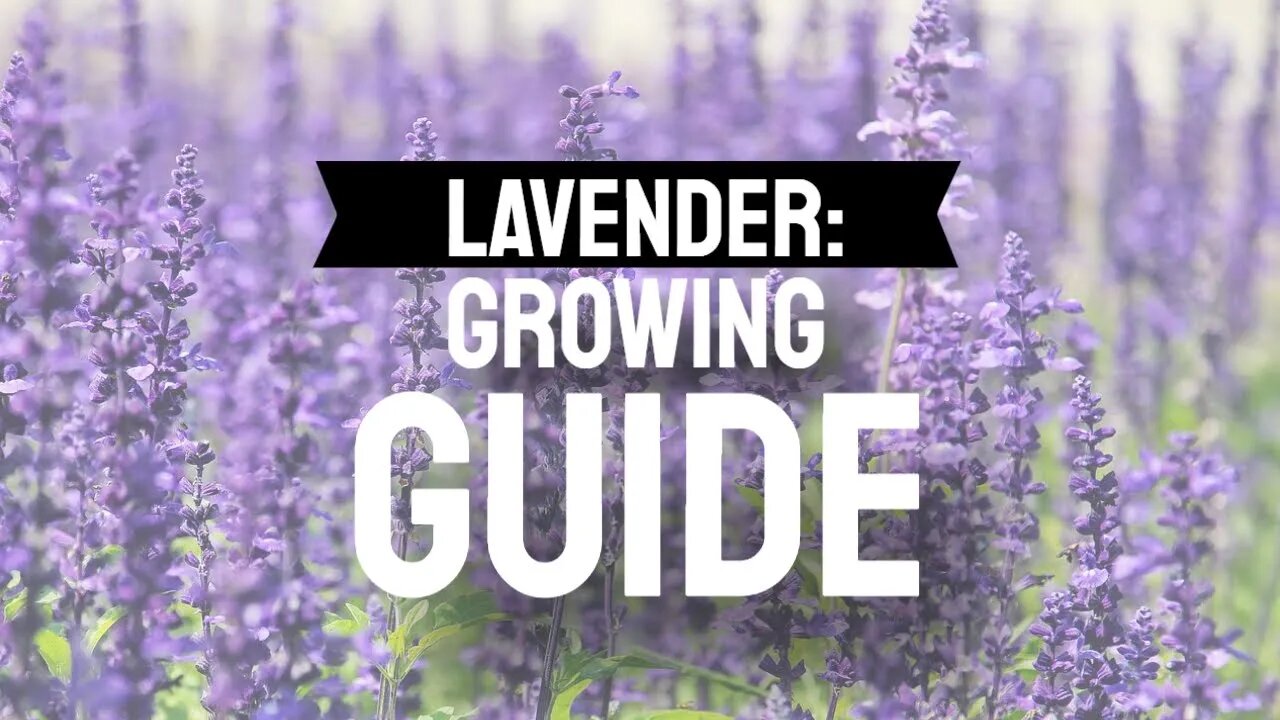
Lavender: Growing Care and Uses for a Fragrant Perennial in Your Herb Garden
Lavender: Cultivation, Uses, and Aesthetics.
Lavender, a versatile and beautifully fragrant perennial herb, has been cherished for centuries. Its soft scent, striking appearance, and culinary uses make it popular among gardeners and chefs. We will explore the essentials of lavender cultivation, its culinary uses in Mediterranean and North African cuisines, and the sensory appeal of this lovely plant.
Lavender, known scientifically as Lavandula, belongs to the Lamiaceae family. There are several species of lavender, but the most commonly cultivated species is Lavandula angustifolia, also known as English lavender. This species is native to the Mediterranean region and has been cultivated for its ornamental, culinary, and medicinal properties.
Soil: Lavender thrives in well-draining, slightly alkaline soil with a pH between 6.7 and 7.3. Sandy or rocky soils are preferable, as they allow for proper drainage and prevent root rot.
Light. Lavender requires full sun, meaning at least 6 to 8 hours of direct sunlight daily. This helps the plant produce its characteristic oils and fragrance.
USDA Planting Zones. Lavender is best suited for USDA zones 5 to 9. It can tolerate some frost, but prolonged exposure to freezing temperatures can damage the plant.
Planting Lavender.
When to plant: The best time to plant lavender is in the spring, after the risk of frost has passed. This allows the plant ample time to establish itself before the winter months.
Choosing a location: Select a site with total sun exposure and well-draining soil.
Preparing the soil: Amend the soil with organic matter or sand if necessary, to improve drainage and adjust the pH level to the ideal range.
Planting: Dig a hole slightly larger than the root ball of the lavender plant. Place the plant in the hole, ensuring the top of the root ball is level with the soil surface. Fill in the hole with soil, and gently firm it around the plant.
Watering: Water the newly planted lavender deeply, ensuring the soil is thoroughly moistened.
Lavender Maintenance.
Pruning: Prune lavender plants in the spring or early fall, removing any dead or damaged stems. This will encourage new growth and maintain the plant's shape.
Watering: Water lavender sparingly, allowing the soil to dry out between waterings. Overwatering can lead to root rot and other diseases.
Fertilizing: Lavender typically does not require fertilization, but if the soil is particularly poor, applying a light, slow-release fertilizer in the spring can provide a nutrient boost.
Culinary Uses in Mediterranean and North African Cuisine.
Lavender is a staple ingredient in Mediterranean and North African culinary traditions. It flavors various dishes, such as stews, meats, and desserts. Lavender is particularly prominent in the famous Herbes de Provence blend, used to season meats and vegetables. In Moroccan cuisine, lavender is often combined with other aromatic herbs and spices, like cumin and paprika, to create mouthwatering dishes.
The Beauty of Lavender: Fragrance and Appearance.
Lavender's aesthetic appeal is undeniable. Its slender stems are adorned with grey-green, needle-like leaves, while its flowers bloom in whorls of stunning purple, pink, or white hues. The plant's fragrance is soothing and refreshing, with a unique floral, slightly camphor aroma cherished in perfumery, aromatherapy, and personal care products.
Propagating lavender.
Lavender reproduces through seeds and vegetative propagation. When propagating by seed, it is best to start them indoors 6 to 8 weeks before the last frost date. Transplant the seedlings outdoors once they have grown at least 3 to 4 inches tall.
Semi-hardwood cuttings can be taken from mature plants during late summer or early fall for vegetative propagation. These cuttings should be planted in a well-draining soil mix and kept in a sheltered, warm location until they develop roots. Once rooted, they can be transplanted to their permanent location in the garden.
Give lavender a try!
Lavender is a versatile, fragrant, and beautiful herb that can enhance any garden and add a touch of elegance to various dishes. By understanding its cultivation requirements and appreciating its culinary and aesthetic value, you can enjoy the many benefits lavender offers. Grow this lovely plant in your herb garden, and experience the enchanting world of lavender firsthand.
Connect with us
Facebook: https://www.facebook.com/TayloesLawnCare
Web: https://www.tayloeslawncare.com
MeWe: https://mewe.com/p/diyhomegarden
Image and music licensed via Canva Pro
-
 0:51
0:51
Garden Revelations
2 years agoHYACINTH: A breathtaking early spring bulb flower to plant in the fall for early spring pollinators
154 -
 LIVE
LIVE
Chad Prather
13 hours agoHow To Be Used By God By Mastering Patience!
3,938 watching -
 LIVE
LIVE
LFA TV
9 hours agoLIVE & BREAKING NEWS! | FRIDAY 12/05/25
5,462 watching -
 LIVE
LIVE
Game On!
15 hours agoHAPPY FOOTBALL FRIDAY! NFL Week 14 Betting Preview!
425 watching -
 LIVE
LIVE
Crypto Power Hour
10 hours ago $2.74 earnedBlockchain Solutions w/ U.S. Healthcare Featuring Solum Global
1,557 watching -
 1:18:24
The Illusion of Consensus
1 month ago“Your Math Is WRONG” - Mark Cuban GRILLED Over His NBA COVID Vaccine Mandate | Part 2
3.15K7 -
 14:17
14:17
RTT: Guns & Gear
16 hours ago $2.33 earnedBest Budget RMR Red Dot 2025? Gideon Optics Granite Review
5.58K3 -
 LIVE
LIVE
BEK TV
23 hours agoTrent Loos in the Morning - 12/05/2025
255 watching -
 LIVE
LIVE
The Bubba Army
22 hours agoWill Michael Jordan TAKE DOWN NASCAR - Bubba the Love Sponge® Show | 12/05/25
1,511 watching -
 35:55
35:55
ZeeeMedia
14 hours agoPfizer mRNA in Over 88% of Human Placentas, Sperm & Blood | Daily Pulse Ep 156
10.1K100