Midazolam and Euthanasia
Excess Deaths in the United Kingdom: Midazolam and Euthanasia in the COVID-19 Pandemic
Macro-data during the COVID-19 pandemic in the United Kingdom (UK) are shown to have significant data anomalies and inconsistencies with existing explanations.
This paper shows that the UK spike in deaths, wrongly attributed to COVID-19 in April 2020,
was not due to SARS-CoV-2 virus, which was largely absent,
but was due to the widespread use of Midazolam injections,
which were statistically very highly correlated (coefficient over 90%) with excess deaths in all regions of England during 2020.
Importantly, excess deaths remained elevated following mass vaccination in 2021,
but were statistically uncorrelated to COVID injections, while remaining significantly correlated to Midazolam injections.
The widespread and persistent use of Midazolam in UK suggests a possible policy of systemic euthanasia.
Unlike Australia, where assessing the statistical impact of COVID injections on excess deaths is relatively straightforward,
UK excess deaths were closely associated with the use of Midazolam and other medical intervention.
The iatrogenic pandemic in the UK was caused by euthanasia deaths from Midazolam and also,
likely caused by COVID injections,
but their relative impacts are difficult to measure from the data, due to causal proximity of euthanasia.
Global investigations of COVID-19 epidemiology, based only on the relative impacts of COVID disease and vaccination, may be inaccurate, due to the neglect of significant confounding factors in some countries.
Graphs
April 2020, 98.8% increase 43,796
January 2021, 29.2% increase 16,546
Therefore covid is very dangerous,
This interpretation, which is disputable, justified politically the declaration of emergency and all public health measures, including masking, lockdowns, etc.
Excess deaths and erroneous conclusions
2020, 76,000
2021, 54,000
2022, 45,000
This evidence of “vaccine effectiveness” was illusory, due to incorrect attribution of the 2020 death spike.
PS
Despite advances in modern information technology, the accuracy of data collection has not advanced in the United Kingdom for over 150 years,
because the same problems of erroneous data entry found then are still found now in the COVID pandemic,
not only in the UK but all over the world.
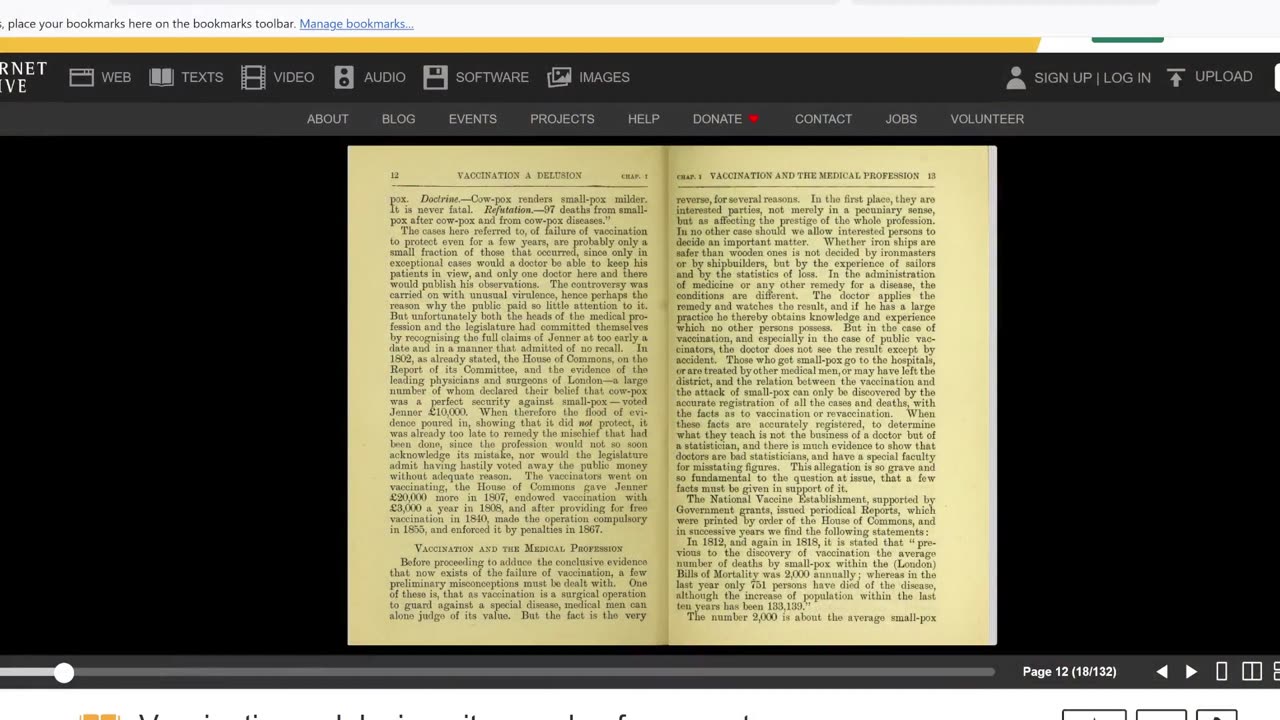
We have independently discovered the same UK data problem and solution for assessing COVID-19 vaccination as Alfred Russel Wallace had 150 years ago in investigating the consequences of Vaccination Acts starting in 1840 on smallpox:
The Alfred Russel Wallace as used by Wilson Sy
“Having thus cleared away the mass of doubtful or erroneous statistics,
depending on comparisons of the vaccinated and unvaccinated in limited areas or selected groups of patients,
we turn to the only really important evidence, those ‘masses of national experience’...”
https://archive.org/details/b21356336/page/n3/mode/2up
Alfred Russel Wallace, 1880s–1890s
1840 Vaccination Act
Provided free smallpox vaccination to the poor
Banned variolation
Vaccination compulsory in 1853, 1867
Why his interest?
C 1885
The Leicester Anti-Vaccination demonstrations (1885)
Growing public resistance to compulsory vaccination
Wallace’s increasing involvement in social reform and statistical arguments
Statistical critique of vaccination
Government data on:
Smallpox mortality trends before and after compulsory vaccination
Case mortality rates
Vaccination vs. sanitation effects
Mortality trends before and after each Act, 1853 and 1867
“Forty-Five Years of Registration Statistics, Proving Vaccination to Be Both Useless and Dangerous” (1885)
“Vaccination a Delusion; Its Penal Enforcement a Crime” (1898)
Contributions to the Royal Commission on Vaccination (1890–1896)
Wallace argued:
Declining smallpox mortality was due to improved sanitation, not vaccination
Official statistics were misinterpreted or biased
Compulsory vaccination was unjust
Re-vaccination did not reliably prevent outbreaks
These views were strongly disputed, then and now.
Wallace had a strong distrust of medical authority
He and believed in:
Statistical reasoning
Social reform
Opposition to coercive government measures
The primacy of environmental and sanitary conditions in health
-
 9:36
9:36
Dr. John Campbell
10 days agoGenetic vaccine failures
7.91K16 -
 LIVE
LIVE
Viss
1 hour ago🔴LIVE - The Arc Raider Duo That Changed Everything - Viss w/ Hambino
162 watching -
![[MnK] Let's Dominate Solo Lobbies](https://1a-1791.com/video/fwe2/07/s8/1/Y/4/Q/E/Y4QEz.0kob-small-MnK-Lets-Dominate-Solo-Lobb.jpg) LIVE
LIVE
GloryJean
1 hour ago[MnK] Let's Dominate Solo Lobbies
177 watching -
 LIVE
LIVE
Wendy Bell Radio
5 hours agoWe Don't Want Them
7,771 watching -
 LIVE
LIVE
The Big Mig™
16 minutes agoThere Is Hope for Colorado w/ Candidate Hope Scheppelman
69 watching -
 UPCOMING
The State of Freedom
23 hours agoHe Served His Country – Now He’s Suing the State | Citizen Spotlight feat. Bert Callais | Ep. 354
2 -
 1:36:07
Graham Allen
2 hours agoThe Media “Outrage” Against The DOW, FBI, and The White House Is COORDINATED!!
99.7K519 -
 1:07:59
Chad Prather
15 hours agoWhen Heaven Stands: The Hidden Power of a Faithful Witness
65.1K21 -
 11:36
11:36
tactical_rifleman
11 days agoNever Run Out Of Ammo | Magazine Pez Dispenser | Tactical Rifleman
51K8 -
 26:11
26:11
Upper Echelon Gamers
18 hours ago $3.47 earned"Her" Wasn't Fiction - Its Real
23.5K4