Connection Between Moses and Enki/Ningishzida Part 1
https://alexanderlevites.blogspot.com/2025/11/sitchins-theory-and-connection-between.html
Sitchin’s Theory and the Connection Between Moses and Enki/Ningishzida
The inquiry explores an alternative interpretation of biblical events through the lens of Zecharia Sitchin’s theories, viewing scriptural figures as agents of the Anunnaki (extraterrestrials from Sumerian mythology). The analysis is structured by key points, drawing on primary sources (Sitchin, Sumerian tablets, Egyptian mythology, and biblical parallels), while linking to the raised questions.
1. Moses as an Agent of Enki (Ningishzida)
Core Sitchin Concept: Enki (Ea in Akkadian) is the son of Anu, god of wisdom, water, and creator of humanity via genetic engineering (combining Anunnaki genes with Homo erectus to produce mine laborers). Ningishzida, one of Enki’s sons/assistants, is the deity of healing, knowledge, and the “Tree of Truth” (symbolizing DNA/genetics). In The Lost Book of Enki (2002), Sitchin portrays Ningishzida as a geneticist who aided his father in creating Adapa (the biblical Adam). Moses functions here as an “avatar” or operative of Ningishzida/Enki, guiding the Hebrews as a “liberation” from the dominion of rival Anunnaki.
Narrative Framing: The Torah encodes Anunnaki directives. Moses is a direct operative of Enki (A-no-hi, “I am the Source”), with Ningishzida referenced as an alternate identity in the Exodus story. Enki is the compassionate creator (contrasted with Enlil/Yahweh, deity of control and the Flood). The Exodus is not merely migration but an “evacuation via portal” (Yam-Suf = Red Sea as a wormhole) from Marduk’s “matrix.”
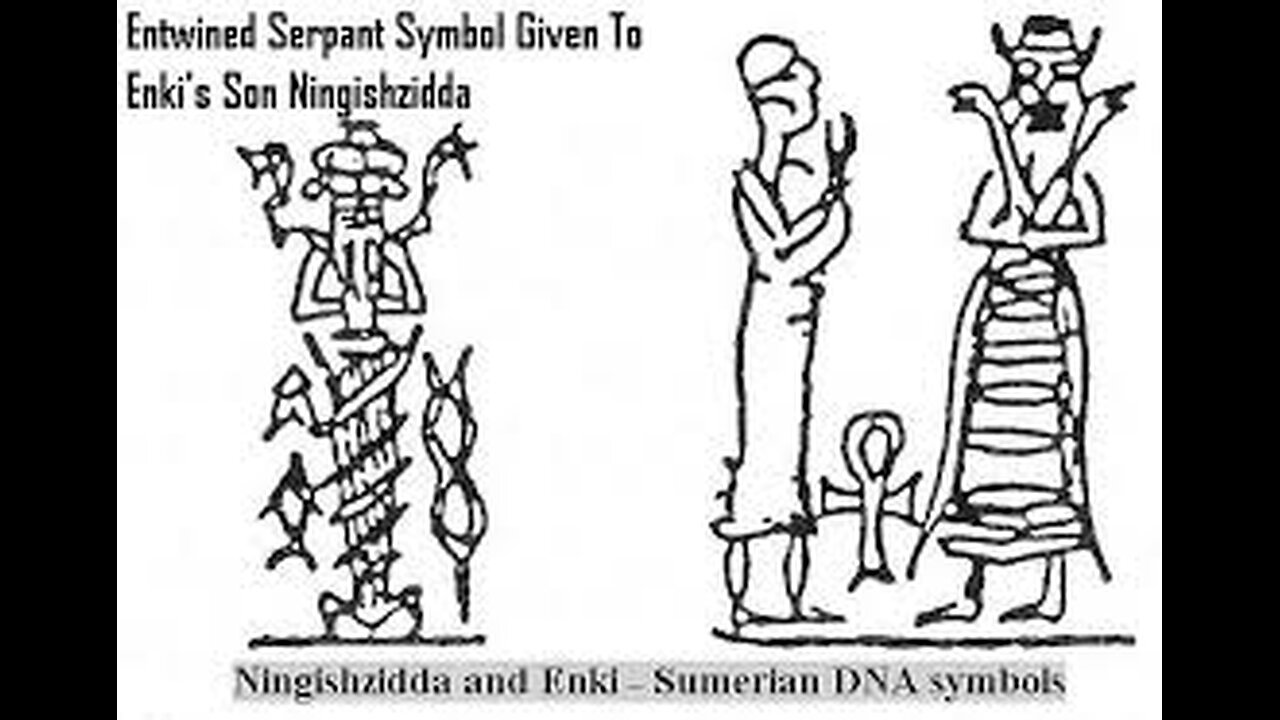
Corroboration: Sitchin cites Sumerian tablets (Eridu Genesis), where Enki saves humanity from the Flood (like Noah). Ningishzida is linked to the serpent (DNA symbol) and a staff with entwined serpents—the prototype of the caduceus/Moses’ staff (Ex. 7:9–12, where the staff becomes a serpent).
2. Exodus as the Conflict Between Ningishzida (Thoth) and Marduk
Conflict per Sitchin: Marduk (Enki’s son, yet power-hungry) is Babylon’s god, embodying control (bull as his emblem). In The Wars of Gods and Men (1985), Sitchin details the “Pyramid Wars”: Ningishzida (as Thoth in Egypt) ruled Egypt for ~16,000 years, constructing pyramids as “beacons” for Nibiru (the Anunnaki planet). Marduk (Ra) returned and waged war over Egypt (350 years of battles). Enki (Ptah) ordered Ningishzida to depart for Mesoamerica (as Quetzalcoatl). The Exodus is a “covert layer” of this war: the Hebrews (slaves of Marduk/Ra) are freed by Enki’s agent to evade his dominance.
Egyptian Link: Thoth is Egypt’s god of wisdom, inventor of writing/magic, son of Ptah (Enki). Marduk/Ra is the solar deity tied to pharaohs. The Exodus (13th century BCE) aligns with a “Ra revival,” where Hebrews were seen as “slaves” in Marduk’s “matrix.”
Corroboration: Sumerian texts (Enuma Elish) present Marduk as Tiamat’s vanquisher (chaos), but Sitchin interprets this as Earth’s conquest. Yahweh = Enlil (stern); Enki = merciful savior.
3. Apis Bull as Marduk’s Symbol and the Golden Calf as “Past”
Apis Bull: Sacred in Egypt (from Dynasty 3), embodiment of Ptah (Enki) but under Ra/Marduk’s control. Apis—a black bull with a solar disk—symbolized fertility/strength, housed in Ptah’s Memphis temple. Pharaohs (Ra’s agents) mummified Apis as divine.
Golden Calf (Ex. 32): Freshly departed from Egypt, the Israelites demand “a god to go before us”—Aaron crafts a golden calf. This “calf sin” echoes the Egyptian Apis/bull-god cult. Sumerian/Babylonian roots: bull as Marduk’s emblem (his name includes a young bull hieroglyph; Marduk = “young solar bull”). The calf signifies regression to “slavery” under Marduk, opposing Enki/Ningishzida’s “new” monotheism.
Conflict Tie: In Sitchin’s framework, the calf is Marduk’s provocation (his symbol) to sabotage liberation. Biblical parallels: Canaanite Baal (storm-bull) or Semitic bull cults (El as “Bull-El”). Archaeology: bull seals in Israel (8th century BCE), but in Exodus—an Egyptian echo.
Corroboration: Egyptian texts (Book of the Dead) link Apis to Ra; biblical scholars (Erman, 1907) see the calf as an “Apis revival” under Ramesses II.
4. Seraphim as Winged Fiery Serpents—Ningishzida’s Punishment Symbol
Biblical Context: Seraphim (from “to burn”) are “fiery serpents” (Num. 21:6–9), sent by Yahweh (Enlil?) against Israel in the wilderness (post-Exodus). Moses crafts a bronze serpent on a pole for healing—prototype of the cross/staff (Jn. 3:14). In Isa. 6:2, seraphim are six-winged beings by God’s throne, purifying the prophet with a coal.
Ningishzida Link: Ningishzida is the “serpent god” (Ningishzida = “lord of the tree of life”), symbol: two entwined serpents on a staff (caduceus). Serpent = DNA/healing (Enki saved from Flood). In conflict with Marduk, the serpent becomes “punishment”: seraphim—“winged fiery serpents” (Isa. 14:29, 30:6)—as guardians/weapons. In this view, it’s the “dark side” of Ningishzida’s symbol: after expulsion from Egypt (Marduk prevails), his serpent motif “inverts” into biblical punishment (fire = Enlil’s wrath). The bronze serpent “rehabilitates” Enki’s symbol (healing, like Ningishzida the healer).
As Punishment: The serpent = “creation and healing, like Enki,” but in Torah “evil” (Eden serpent). Seraphim recall “past” (Egyptian uraeus—winged cobras on pharaoh/Ra crowns). Archaeology: Judean seals (8th century BCE) with four-winged cobras (local, not Egyptian—seraphim link).
Corroboration: Sumerian texts: Ningishzida guards the “Tree of Truth” with serpents. Biblical: saraph = “flying fiery serpent” (Deut. 8:15). Egyptian: Wadjet (winged cobra)—protector yet venomous.
Summary: Full Conflict Panorama
Speculative (Sitchin rejected by academia as pseudoscience), yet compelling: the Exodus is not just history but a “cosmic reckoning” over Earth. If deeper exploration is desired (e.g., tablet quotes or migration maps), let me know!
Ningishzidda, a prominent figure in ancient Mesopotamian lore, stands as a testament to the intricate weave of divinity and intellect that pervaded Sumerian religious thought. Often represented with serpent-dragon motifs and sometimes associated with the caduceus—a symbol now linked with medicine—Ningishzidda occupied a pivotal role as the god of healing and knowledge. The caduceus, which intertwines twin serpents, is not only emblematic of the dual nature of life and death but also is reminiscent of DNA's double-helix structure, an intriguing parallel that has not escaped the attention of scholars and mystics alike.
Delving deeper into the chronicles of Ningishzidda reveals his presence in various myths, illuminating his multifaceted persona. In the "Epic of Gilgamesh," he assists in the hero's journey by helping to tame the wild Humbaba. In the same vein, he's acknowledged as Thoth in Egyptian traditions—a deity of wisdom, writing, and the moon. This overlapping identity underscores the fluidity of ancient deities across cultures and highlights the interconnected tapestry of ancient civilizations. The synthesis of deities across pantheons, exemplified by Ningishzidda and Thoth, reveals a shared reverence for knowledge, both as a divine attribute and as a transformative power in the hands of mortals.
The legacy of Ningishzidda resonates profoundly within the annals of ancient wisdom, echoing the perennial quest for enlightenment. As a bridge between the seen and unseen, the material and ethereal, he epitomizes the profound synthesis of cosmic understanding and earthly application. His representation in art and literature serves as a reminder of the ancient world's intricate relationship with divinity, where gods were not just distant figures of worship but active participants in the unfolding tapestry of human destiny.
https://www.instagram.com/p/CxVZgtZs7eu/
-
 LIVE
LIVE
Graham Allen
2 hours agoThe Media “Outrage” Against The DOW, FBI, and The White House Is COORDINATED!!
1,830 watching -
 LIVE
LIVE
Wendy Bell Radio
5 hours agoWe Don't Want Them
7,624 watching -
 1:07:59
Chad Prather
15 hours agoWhen Heaven Stands: The Hidden Power of a Faithful Witness
52.4K21 -
 LIVE
LIVE
LFA TV
13 hours agoLIVE & BREAKING NEWS! | TUESDAY 12/02/25
3,316 watching -
 11:36
11:36
tactical_rifleman
11 days agoNever Run Out Of Ammo | Magazine Pez Dispenser | Tactical Rifleman
39K5 -
 26:11
26:11
Upper Echelon Gamers
17 hours ago $3.06 earned"Her" Wasn't Fiction - Its Real
14.8K4 -
 3:11
3:11
Canadian Crooner
2 years agoPat Coolen | It's Beginning to Look A Lot Like Christmas
72.8K17 -
 5:22
5:22
DropItLikeItsScott
1 day ago $3.34 earnedThe GLOCK Killer? Shadow Systems XR920 / Would You Choose It?
19.9K10 -
 2:06:15
BEK TV
1 day agoTrent Loos in the Morning - 12/01/2025
27.9K1 -
 4:00:59
The Bubba Army
1 day agoDIDDY'S NEW DOC EXPOSED! - Bubba the Love Sponge® Show | 12/02/25
53.2K5