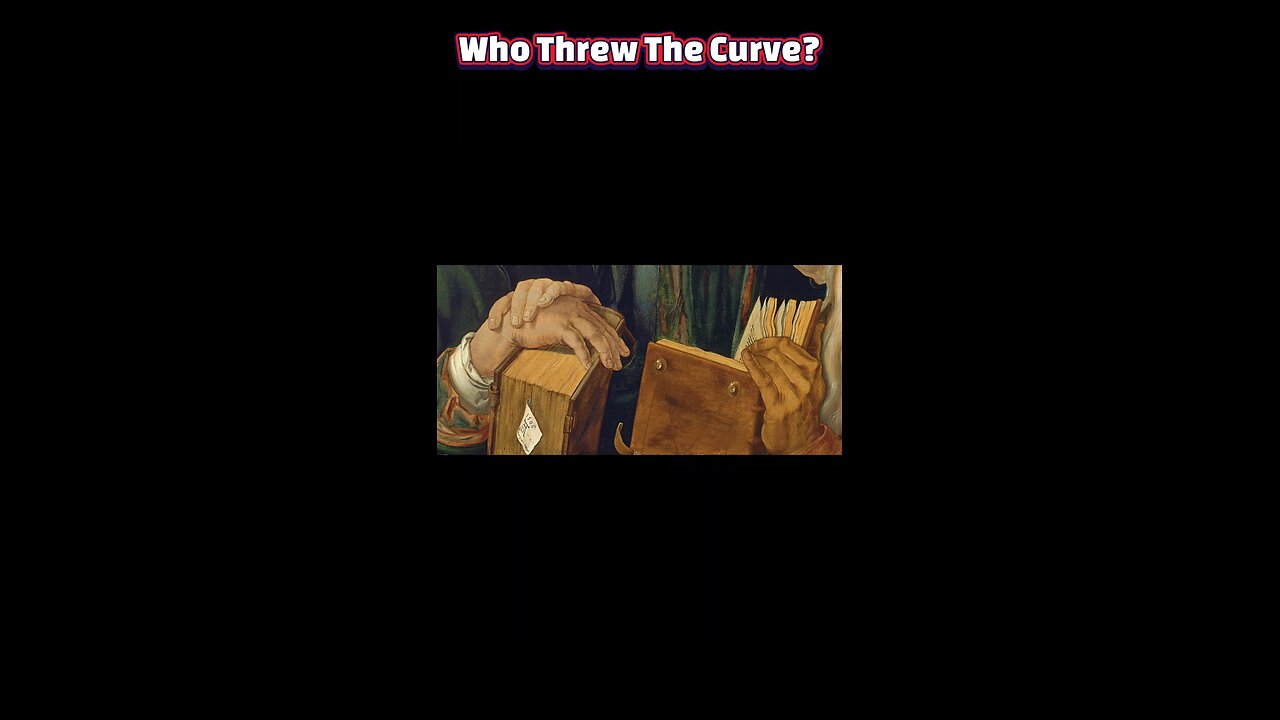
The Bible’s Secret Safety Valves: How Scripture Shields Itself from Doubt
#BibleStudy #FaithAndReason #Apologetics #ReligionExplained #CriticalFaith #Scripture #Theology #Skepticism #BiblicalLiterature #ThoughtProvoking #PhilosophyOfReligion
The Bible can be read not only as a sacred library but also as a text that contains internal mechanisms designed to blunt challenges from reason, skepticism, and changing knowledge. Over centuries of use, certain passages and rhetorical moves function like “safety valves”: they reframe doubt as moral failure, dismiss inconvenient questions as mere scoffing, and offer interpretive lenses that protect core claims from disproof. Reading the Bible with that interpretive frame helps explain why some passages repeatedly push back against critical inquiry rather than engaging it directly.
Many biblical passages preempt criticism by labeling doubters and critics in morally charged terms, turning epistemic questions into questions of character. For example, passages that warn of “scoffers” in the last days implicitly move the burden from evidence onto the critic’s motives, if you doubt, the text implies, it’s because you are arrogant or morally corrupt rather than because the claim lacks empirical support. This move is highlighted in recent literary critique arguing that editors of the Bible anticipated future challenges from logic and science and encoded defensive responses into the text.
Those rhetorical defenses take several familiar forms. Prophetic postponement reframes failed predictions as tests, mysteries, or signs meant for a future age, thereby postponing falsification. Moralization turns factual disputes into moral lessons: a question about historical accuracy becomes proof of spiritual waywardness. And apocalyptic language saturates claims with symbolic and cosmic meaning, which insulates them from ordinary empirical verification by putting them on a different, less testable plane. Together these strategies act as pressure-release systems that keep belief intact when literal explanations fail.
Understanding the Bible’s safety-valve patterns doesn’t require rejecting its spiritual or moral value; it only asks readers to recognize how certain rhetorical designs operate. Once we see how the text can recast epistemic problems as moral or eschatological ones, we gain a clearer picture of why debates about faith and reason often circle without ever satisfying the standards of historical or scientific proof. That recognition invites more honest conversations about what religious texts are trying to do, whether to instruct, inspire, govern, or defend, and what methods are appropriate for assessing those aims.
If the goal is mutual clarity between faith and knowledge, readers on both sides benefit from naming these protective strategies and treating them as interpretive choices rather than settled facts. Scholars and readers who acknowledge the Bible’s internal safety valves can then distinguish theological commitments from empirical claims, allowing each to be evaluated by the standards appropriate to it. Recognizing these mechanisms makes it possible to preserve the text’s ethical and spiritual insights while also subjecting historical and factual assertions to the scrutiny that evidence and reason require.
-
 2:48:21
FreshandFit
14 hours agoNarcissistic Mid European Got Called Out And THIS Happened...
207K74 -
 1:48:12
Badlands Media
14 hours agoBaseless Conspiracies Ep. 161: The Human Hunting Files
79.7K32 -
 1:56:01
Inverted World Live
7 hours agoHome is Where The Great Pacific Garbage Patch is | Ep. 148
67.6K6 -
 5:32:24
Drew Hernandez
1 day agoTHE CURRENT STATE OF MAGA 2025 W/ GUEST: OWEN SHROYER
37K24 -
 34:21
34:21
Stephen Gardner
8 hours agoThey have NO IDEA what they just UNLEASHED!!
37.3K69 -
 3:08:15
Decoy
8 hours agoFinally
50.7K15 -
 2:55:01
TimcastIRL
8 hours agoTrump Calls Democrat RETARDED, Whistleblower EXPOSES Democrat FRAUD | Timcast IRL
236K68 -
 7:28:50
Akademiks
7 hours agoMeg Thee Stallion spent $2 mil on lawyers to win $59k vs Milagro! 50 Cent BURIES Diddy. SNAKES HIM!
53.8K2 -
 5:37:32
SpartakusLIVE
8 hours agoI'M BACK from Florida || The RETURN to the Spartan Stronghold
69.8K -
 1:38:45
Joker Effect
7 hours agoWhy is everything so DIFFICULT?! Cuffem, Gypsy Crusader, WVAGABOND is getting SUED?! IDuncle is mad!
39.8K3